

Choosing a code editor in 2026 isn't as straightforward as it used to be. For years, Visual Studio Code seemed to have built an almost impossible lead. Its extension ecosystem, support for practically every programming language and free price made it the default choice for a huge number of developers. But the rise of AI-first editors has changed the landscape. Cursor and Windsurf have shown that an editor can do much more than display code and provide autocomplete, while Zed is approaching the problem from a completely different direction by focusing heavily on speed and performance.
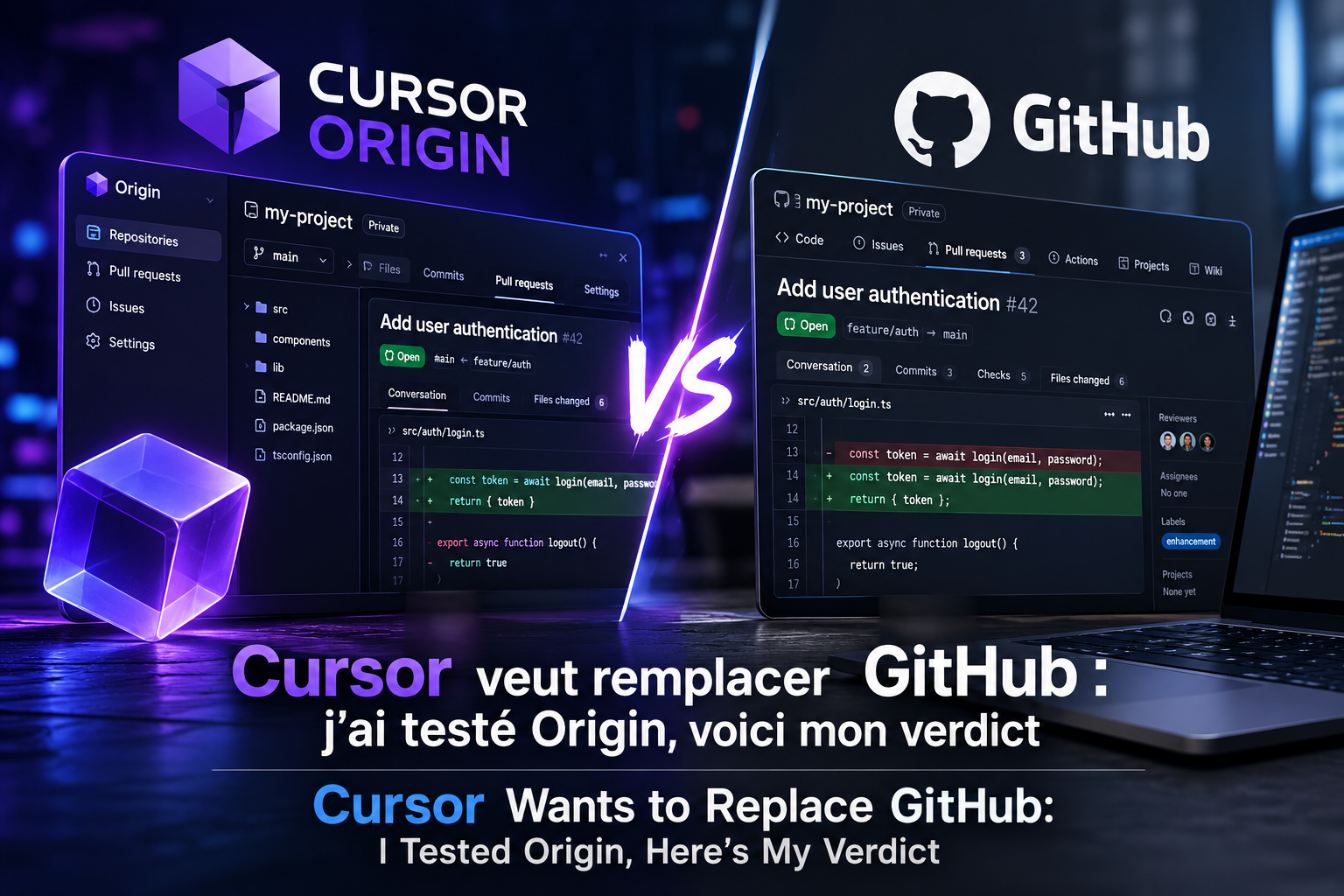
Cursor is no longer trying to improve only the way we write code. With Origin, the company is now moving into another part of the development workflow: where repositories are hosted, where pull requests are created and where developers manage the changes produced by AI agents. The idea is fairly easy to understand. If more and more development work is going to be handled by agents capable of modifying entire codebases, why should the editor, the agent, the repository and the pull request remain completely separate?
Today, building real-time applications (chat, collaboration tools, live dashboards, multiplayer mini-games…) often means dealing with WebSockets, servers, persistent connections, and complex infrastructure just to sync backend and frontend in real time. But what if you could forget all of that? That’s exactly what Convex offers.


Stay informed about the latest articles, tutorials, and news.
Stay informed about the latest articles, tutorials, and news.