
//
Cursor is no longer trying to improve only the way we write code. With Origin, the company is now moving into another part of the development workflow: where repositories are hosted, where pull requests are created and where developers manage the changes produced by AI agents. The idea is fairly easy to understand. If more and more development work is going to be handled by agents capable of modifying entire codebases, why should the editor, the agent, the repository and the pull request remain completely separate?
Stay informed about the latest articles, tutorials, and news.

Mammouth AI brings GPT, Claude, Gemini and many other AI models into one subscription. Our review covers pricing, quotas, features and real-world value.
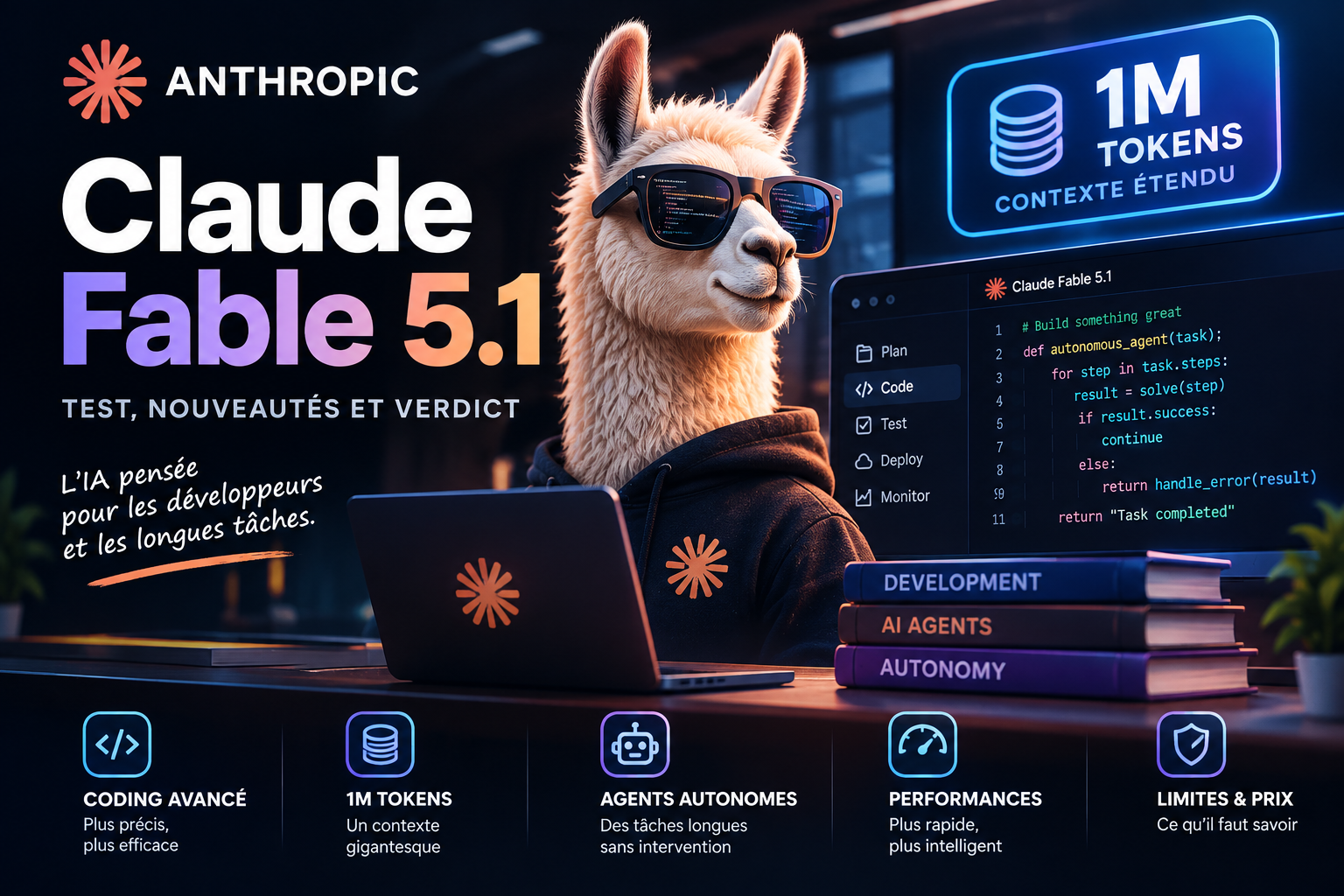
Claude Fable 5.1 brings 1M-token context, advanced coding and autonomous agents. Discover its capabilities, limits, pricing and our final verdict.

GPT-6 Astra marks a new step for AI agents. From coding and scientific research to reasoning, automation and computer use, here is our review, benchmark analysis and verdict on OpenAI's new model.


No comments yet.