
//
The JavaScript ecosystem is evolving at breakneck speed, and 2025 promises to be a pivotal year for web development frameworks. From established giants like React and Next.js to innovative newcomers like Qwik, developers have a wealth of options. This article explores the key trends, must-watch frameworks, and emerging innovations shaping the future of web development.
Stay informed about the latest articles, tutorials, and news.
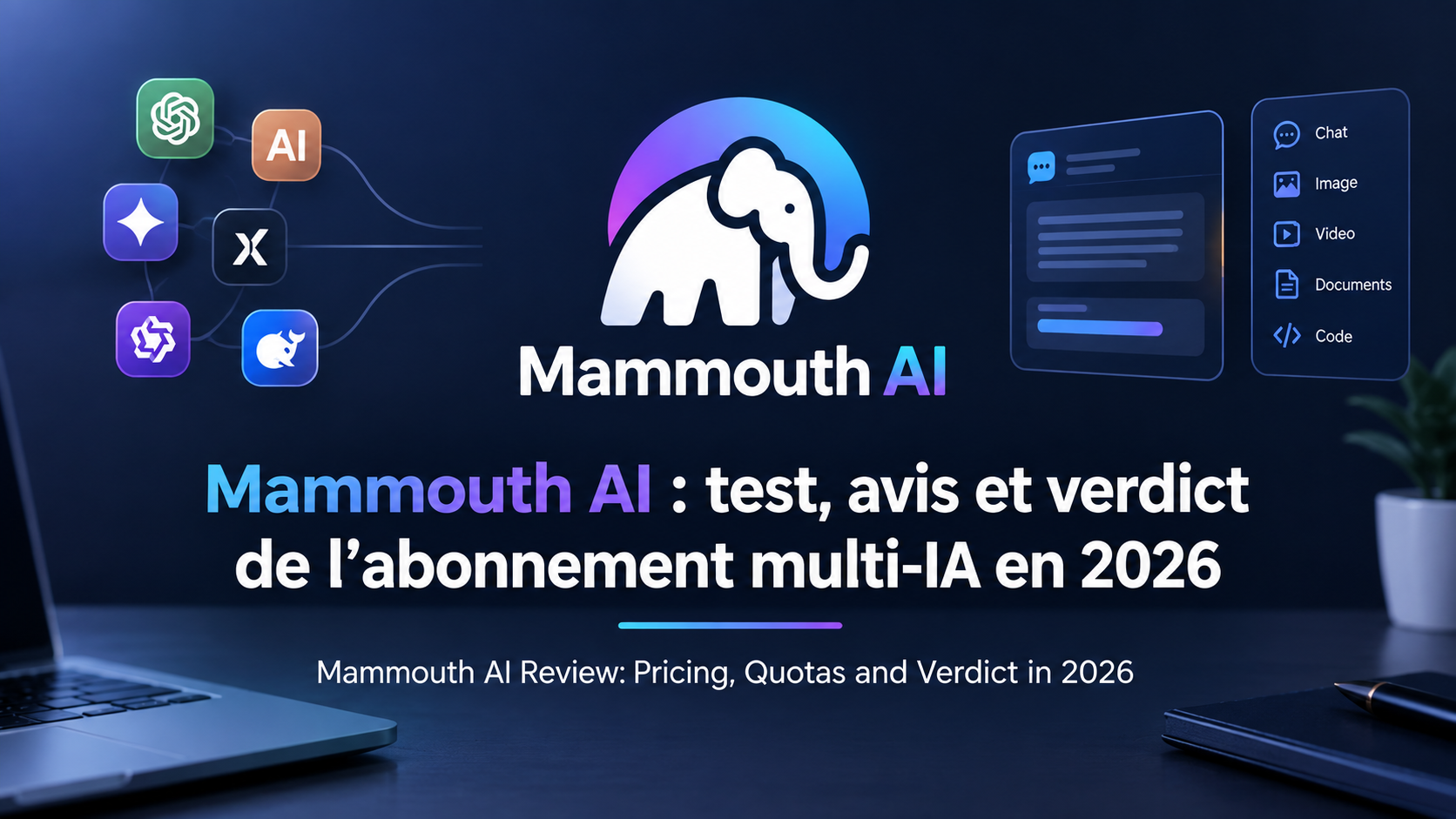
Mammouth AI brings GPT, Claude, Gemini and many other AI models into one subscription. Our review covers pricing, quotas, features and real-world value.
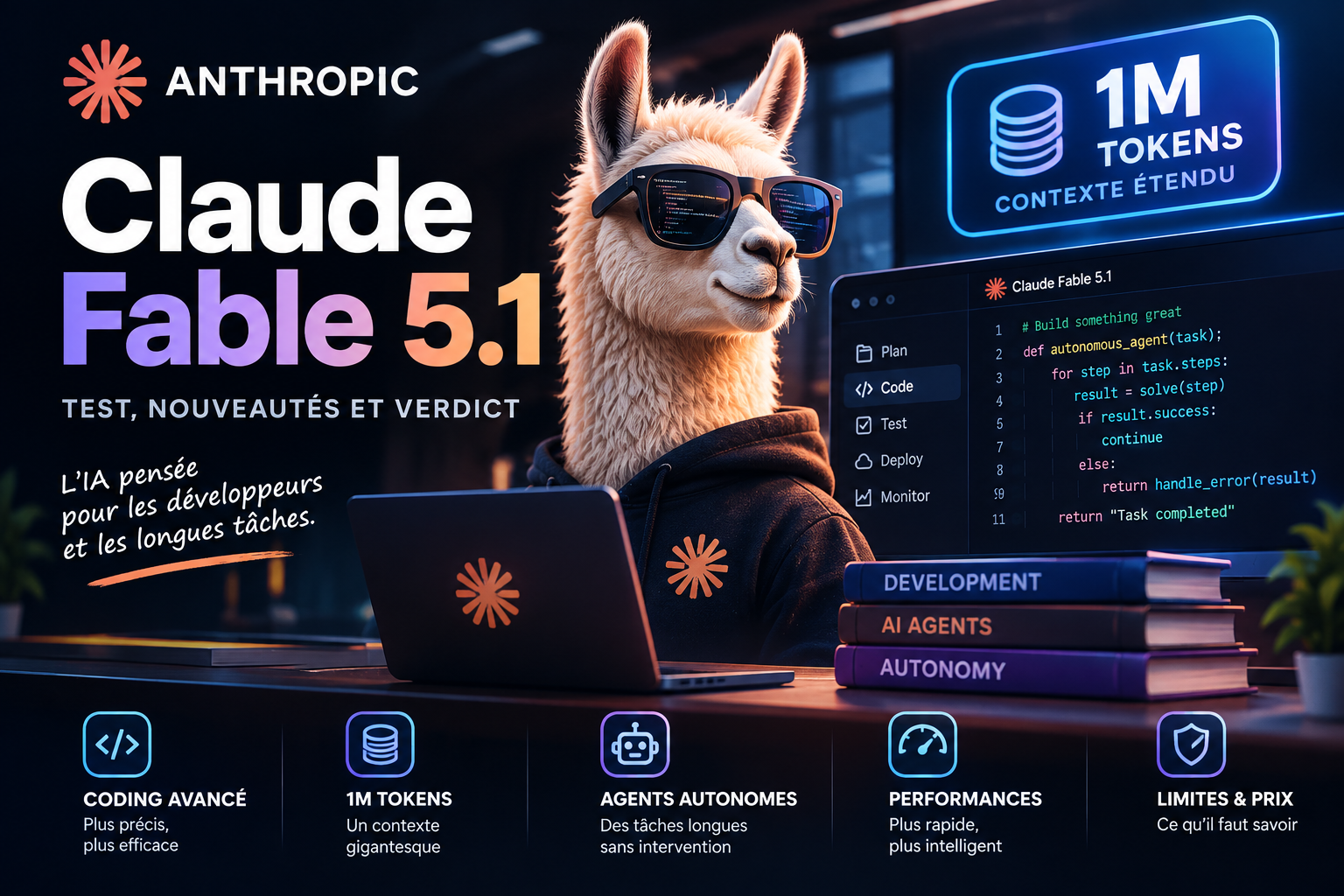
Claude Fable 5.1 brings 1M-token context, advanced coding and autonomous agents. Discover its capabilities, limits, pricing and our final verdict.

GPT-6 Astra marks a new step for AI agents. From coding and scientific research to reasoning, automation and computer use, here is our review, benchmark analysis and verdict on OpenAI's new model.


No comments yet.